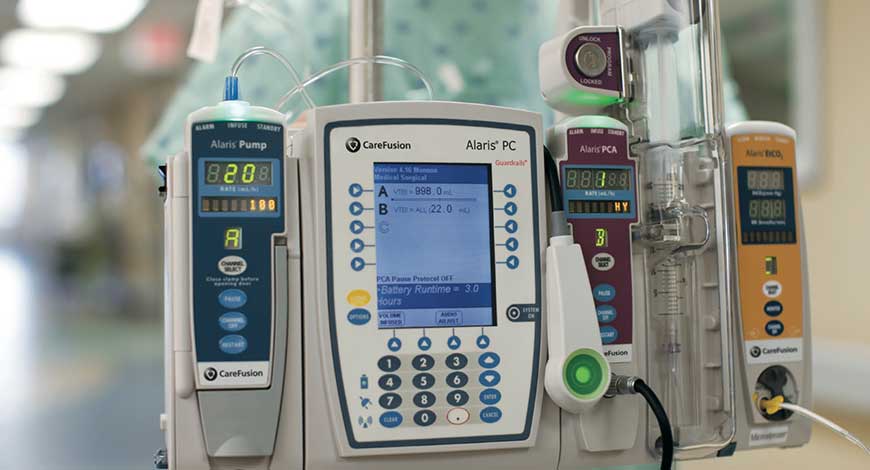
The intravenous infusion pump, a cornerstone of modern medicine, has evolved from a simple mechanical device to a sophisticated, connected medical system. The global IV infusion pumps market is experiencing significant transformation, driven by technological innovation, rising chronic disease prevalence, and a paradigm shift toward home-based care. This article examines the key drivers, trends, challenges, and future outlook of this critical healthcare sector.
Market Overview and Growth Drivers
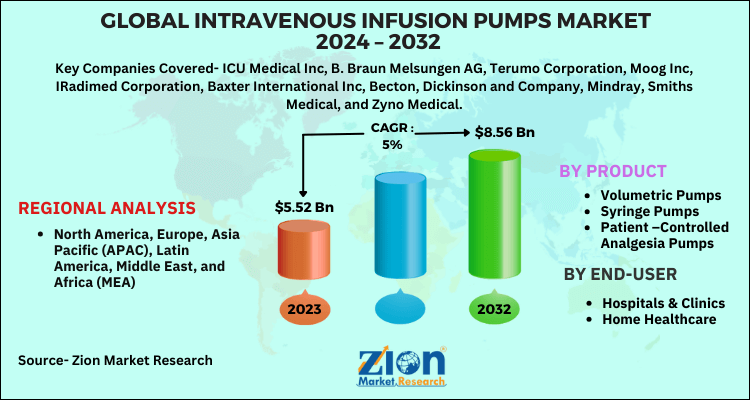
The global IV infusion pumps market is on a robust growth trajectory, with projections estimating its value to reach well over $18-20 billion by 2030, growing at a compound annual growth rate (CAGR) of approximately 6-8%. This growth is fueled by several interrelated factors:
-
Rising Global Disease Burden: The increasing incidence of chronic diseases such as cancer, diabetes, cardiovascular diseases, and gastrointestinal disorders necessitates precise, long-term drug and nutrient administration. Chemotherapy, parenteral nutrition, and antibiotic therapies all rely heavily on infusion pumps.
-
Aging Population: An older global demographic is more susceptible to chronic conditions and hospitalizations, thereby increasing the demand for infusion therapies both in acute and post-acute settings.
-
Technological Advancements: The market is moving beyond traditional volumetric pumps. The integration of smart technology—including dose-error reduction software (DERS), wireless connectivity, and interoperability with hospital Electronic Health Records (EHRs)—is enhancing patient safety and clinical workflow efficiency.
-
Shift Toward Ambulatory and Home Care: A strong preference for cost-effective and patient-friendly healthcare is propelling the demand for Ambulatory Infusion Pumps (AIPs). These lightweight, portable devices allow patients to receive continuous therapy outside clinical settings, improving quality of life and reducing hospital readmission rates.
Key Market Segments and Trends
The market can be segmented by product type, application, and end-user, with clear trends emerging in each category.
-
By Product Type:
-
Large-Volume Pumps (LVPs): Dominant in hospitals for nutrient delivery and primary infusions.
-
Syringe Pumps: Critical for low-volume, high-precision delivery in NICUs, ICUs, and anesthesia.
-
Ambulatory Infusion Pumps: The fastest-growing segment, driven by home care trends.
-
Specialty Pumps: Including patient-controlled analgesia (PCA) pumps and insulin pumps.
-
-
Major Trends Shaping the Industry:
-
Smart Pumps and Connectivity: The rise of IoT-enabled pumps allows for remote monitoring, real-time dose adjustment alerts, and data analytics to predict maintenance needs and optimize drug utilization.
-
Integration with Closed-Loop Systems: In critical care and diabetes management, infusion pumps are increasingly part of integrated systems that automatically adjust delivery based on feedback from continuous monitors (e.g., glucose sensors).
-
Focus on Safety and Usability: Manufacturers are prioritizing intuitive interfaces, comprehensive training, and robust safety software to minimize human error, which remains a significant cause of adverse drug events.
-
Disposable vs. Dedicated Pumps: The use of single-use, disposable infusion pumps for specific therapies (like elastomeric pumps) is growing in home care due to their simplicity and lower upfront cost.
-
Regional Insights
-
North America holds the largest market share, attributed to its advanced healthcare infrastructure, high healthcare expenditure, and early adoption of smart pump technology.
-
Europe follows closely, with strong regulatory frameworks and growing adoption of home healthcare.
-
Asia-Pacific is identified as the most lucrative growth region. Factors include improving healthcare access, rising medical tourism, increasing government investments, and a vast, underpenetrated patient population with growing disposable income.
Challenges and Restraints
Despite positive growth, the market faces headwinds:
-
High Cost of Advanced Pumps: Smart pumps represent a significant capital investment for healthcare facilities, potentially slowing adoption in cost-sensitive markets and developing regions.
-
Stringent Regulatory Hurdles: Obtaining approvals from bodies like the FDA (U.S.) and CE (Europe) is a lengthy and expensive process, impacting time-to-market for new innovations.
-
Recall and Safety Concerns: Product recalls due to software glitches or hardware failures can erode trust and impose financial burdens on manufacturers.
-
Risk of Infections and Complications: Proper training and protocol are essential to prevent bloodstream infections associated with IV therapy, a concern that drives demand for safer pump designs and accessories.
Competitive Landscape
The market features a mix of established multinational giants and innovative niche players. Key companies include Becton, Dickinson and Company (BD), Baxter International Inc., B. Braun Melsungen AG, Fresenius SE & Co. KGaA, and ICU Medical, Inc. Competition revolves around:
-
Product innovation and portfolio expansion
-
Strategic mergers and acquisitions (e.g., ICU Medical’s acquisition of Smiths Medical)
-
Partnerships with healthcare IT firms for better connectivity solutions
-
Focus on emerging economies through localized strategies.
The Future Outlook
The future of the IV infusion pumps market is intelligent, decentralized, and patient-centric. We can expect:
-
AI-Powered Predictive Analytics: Pumps will not only deliver therapy but also predict potential complications or optimize dosing regimens based on vast patient data sets.
-
Enhanced Telehealth Integration: Seamless integration with telehealth platforms will allow clinicians to manage home-based infusion therapies virtually.
-
Further Miniaturization and Wearability: Pumps will become more discreet, comfortable, and lifestyle-integrated for ambulatory patients.
-
Cybersecurity as a Priority: As pumps become more connected, robust cybersecurity measures will be non-negotiable to protect patient data and device functionality.
Read More-
https://www.zionmarketresearch.com/de/report/protein-supplements-market
https://www.zionmarketresearch.com/de/report/melanoma-drugs-market
https://www.zionmarketresearch.com/de/report/male-infertility-treatment-techniques-market
https://www.zionmarketresearch.com/de/report/rodenticides-market
https://www.zionmarketresearch.com/de/report/barrier-resin-market
Conclusion
The intravenous infusion pumps market is at a critical juncture, where technology is reshaping its fundamental role in care delivery. From hospital ICU to the patient’s living room, the drive for precision, safety, and convenience is unwavering. Stakeholders—manufacturers, healthcare providers, and policymakers—who successfully navigate the challenges of cost, regulation, and cybersecurity while harnessing the potential of connectivity and AI will be best positioned to lead in this vital and expanding market. The ultimate beneficiary will be the patient, who gains access to safer, more effective, and more comfortable infusion therapies than ever before.