The global blood pressure monitoring device market is experiencing a transformative surge, fueled by an aging population, rising hypertension prevalence, and a powerful shift toward proactive, personalized healthcare. Once confined to doctor’s offices and pharmacies, blood pressure monitoring market is now moving decisively into the home, empowering individuals and reshaping chronic disease management.
Market Drivers: A Perfect Storm of Need and Technology
-
The Silent Epidemic: Hypertension remains a leading risk factor for cardiovascular diseases, strokes, and kidney failure. With over 1.28 billion adults worldwide affected (WHO), the need for consistent monitoring has never been greater. Early detection and ongoing management are critical, creating a vast, sustained demand.
-
The Rise of Home Healthcare: The COVID-19 pandemic accelerated the adoption of remote patient monitoring (RPM). Patients and providers alike recognized the value of tracking vital signs at home, reducing clinic visits, and enabling continuous data collection for better treatment decisions.
-
Technological Convergence: Modern devices are no longer simple inflatable cuffs. The market is defined by connectivity, data integration, and user-centric design.
-
Smart & Connected Devices: Bluetooth and Wi-Fi-enabled monitors sync seamlessly with smartphones and tablets, allowing users to log readings, track trends over time, and share data directly with healthcare providers via dedicated apps.
-
Wearable Integration: The emergence of clinically validated wearable technology (e.g., smartwatches with ECG and optical sensors) promises continuous, cuffless monitoring. While accuracy for medical-grade diagnosis is still evolving, this represents the next frontier for preventative care.
-
AI and Data Analytics: Advanced algorithms are improving measurement accuracy, detecting arrhythmias like atrial fibrillation, and providing personalized insights and reminders.
-
Market Segmentation: From Clinic to Wrist
The market is broadly segmented by product type, end-user, and distribution channel.
-
By Product Type:
-
Sphygmomanometers (Aneroid & Digital): Digital upper-arm monitors dominate the home segment due to their ease of use and reliability.
-
Ambulatory Blood Pressure Monitors (ABPM): Worn for 24 hours, these provide a comprehensive profile of a patient’s blood pressure throughout their daily routine and sleep, crucial for diagnosing “white coat” or “masked” hypertension.
-
Wearable Monitors: The fastest-growing segment, including smartwatches and wrist-based devices, focusing on convenience and trend tracking.
-
-
By End-User:
-
Hospitals & Clinics: Still the primary setting for diagnostic-grade equipment.
-
Home Healthcare: The explosive growth sector, driven by consumer awareness and RPM.
-
-
By Distribution Channel: Sales flow through hospital supply networks, retail pharmacies, and increasingly, direct online sales through company websites and e-commerce giants.
Key Challenges and Considerations
Despite the optimism, hurdles remain:
-
Accuracy and Validation: Not all consumer devices, especially wearables, meet stringent validation standards (e.g., from the Association for the Advancement of Medical Instrumentation or the European Society of Hypertension). User education on proper measurement technique is equally critical.
-
Data Overload vs. Actionable Insight: Simply collecting data isn’t enough. The value lies in translating readings into actionable guidance for patients and clinicians within functional workflows.
-
Regulatory Landscape: Navigating varying regulatory requirements (FDA, CE, etc.) for medical devices is complex, especially for novel, algorithm-driven technologies.
-
Affordability and Accessibility: Ensuring equitable access to accurate, affordable technology remains a challenge in underserved markets.
Regional Landscape and Growth Projections
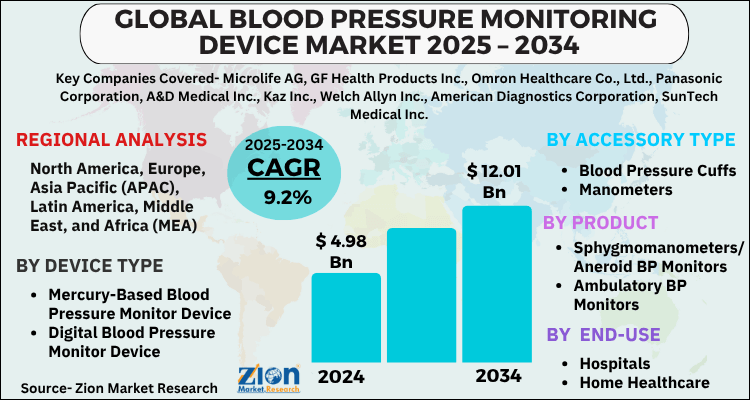
North America and Europe currently lead the market, supported by high healthcare expenditure, advanced digital infrastructure, and strong awareness. However, the Asia-Pacific region is poised for the highest growth rate. Factors include a massive population base, increasing hypertension prevalence linked to urbanization, growing medical tourism, and improving healthcare access.
The market, valued in the tens of billions of USD, is projected to continue its strong compound annual growth (CAGR) of 7-10% over the next five to seven years.
The Future: Predictive, Personalized, and Integrated
The future of blood pressure monitoring lies in seamless integration into the broader digital health ecosystem. We are moving towards:
-
Predictive Analytics: Using longitudinal data to predict potential hypertensive events.
-
Closed-Loop Systems: Integration with other health data (activity, sleep, nutrition) to provide holistic lifestyle recommendations.
-
Telehealth Synergy: Monitors acting as the frontline data-gathering tool for virtual consultations and chronic disease management programs.
Read More-
https://www.zionmarketresearch.com/de/report/canes-and-crutches-market
https://www.zionmarketresearch.com/de/report/rs232-can-bus-market
https://www.zionmarketresearch.com/de/report/general-anxiety-disorder-market
https://www.zionmarketresearch.com/de/report/active-implantable-medical-devices-market
https://www.zionmarketresearch.com/de/report/data-center-infrastructure-management-market
Conclusion
The blood pressure monitoring device market is more than a collection of medical instruments; it is a vital component of the global fight against cardiovascular disease and a cornerstone of the patient-empowered healthcare revolution. As technology continues to bridge the gap between clinical precision and everyday convenience, the market’s growth will be measured not just in units sold, but in lives improved and health outcomes transformed. The message is clear: the power to manage heart health is increasingly in our own hands—and on our wrists.