
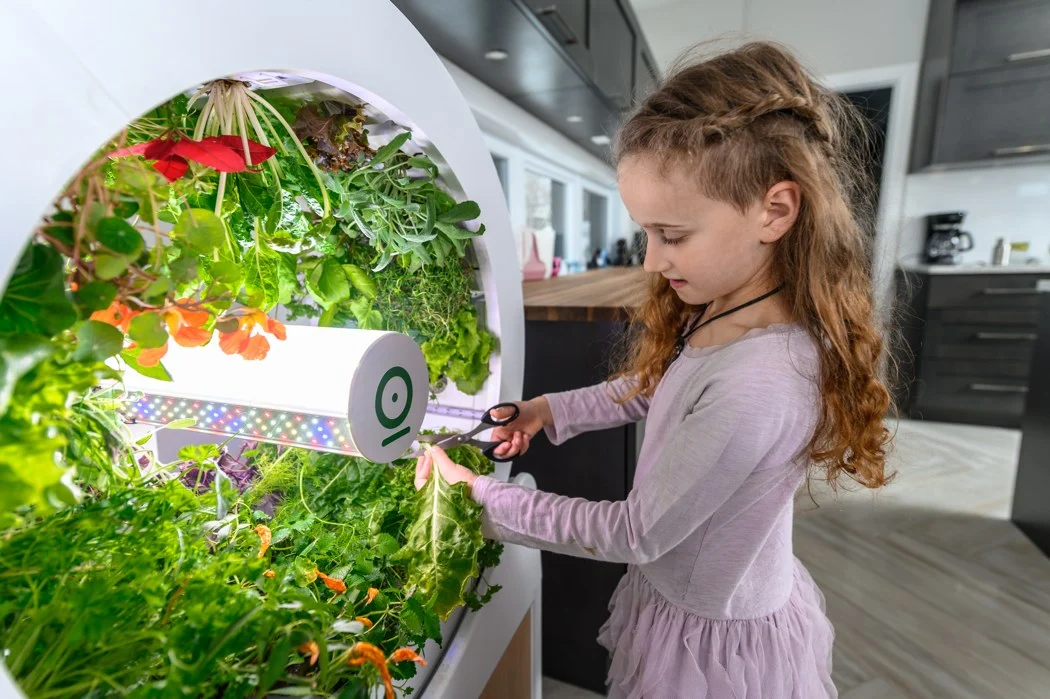
In an era defined by urbanization, sustainability concerns, and a desire for hyper-local food, a quiet revolution is taking root—not in vast outdoor fields, but inside our homes and apartments. The smart indoor garden market is experiencing explosive growth, transforming the humble act of gardening into a tech-enabled, data-driven practice accessible to all. Once a niche hobby, indoor gardening is now a sophisticated industry projected to reach a multi-billion-dollar valuation in the coming years, driven by innovation and shifting consumer values.
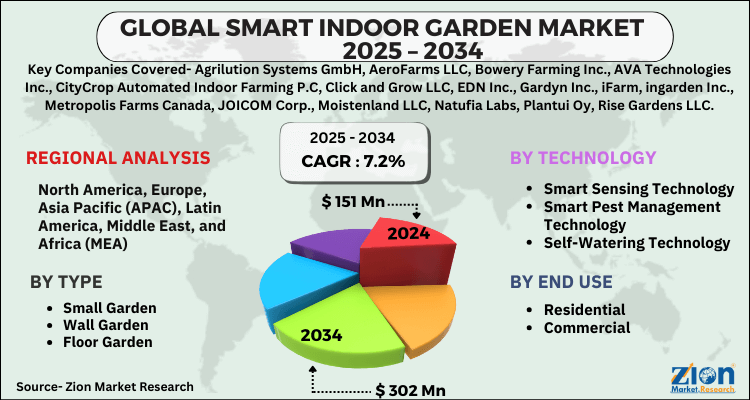
What is a Smart Indoor Garden?
At its core, a smart indoor garden is an integrated system that uses technology to automate and optimize plant growth. These systems typically include:
-
Hardware: Self-contained units with built-in LED grow lights (often full-spectrum or tunable), automated watering systems, and climate sensors.
-
Software & Connectivity: Companion smartphone apps that allow users to monitor plant health, control light cycles, receive watering alerts, and access vast plant libraries.
-
Consumables: Pre-seeded pods or capsules containing nutrients and seeds for herbs, leafy greens, vegetables, and even flowers, simplifying the process.
Key Market Drivers
Several powerful trends are fertilizing this market’s rapid expansion:
-
The “Food Conscious” Consumer: Demand for pesticide-free, hyper-local, and fresh produce is at an all-time high. Smart gardens offer a guaranteed clean supply of herbs and greens year-round, independent of season or supply chain disruptions.
-
Urbanization and Space Constraints: With more people living in apartments and homes without gardens, these compact, often countertop-friendly systems make growing food and greenery possible anywhere.
-
Technology Integration and Wellness: The rise of the smart home creates a perfect ecosystem for connected gardens. Furthermore, the well-documented mental health benefits of gardening and caring for living things are now accessible to those without outdoor space, merging wellness with technology.
-
Sustainability and Water Conservation: Automated hydroponic or aeroponic systems used in most smart gardens can reduce water usage by up to 90% compared to traditional gardening, a powerful selling point for eco-conscious buyers.
-
Educational Tool: Families are adopting these systems as interactive STEM tools to teach children about biology, nutrition, and technology in a hands-on way.
Market Segmentation and Innovations
The market is branching into several key segments:
-
Countertop Herb Gardens: The entry point for most consumers, focused on culinary herbs like basil, mint, and cilantro.
-
Modular & Scalable Systems: Larger, cabinet-style units that allow for growing taller plants like tomatoes, peppers, and strawberries, targeting serious hobbyists.
-
Specialized & Luxury Gardens: High-design units that blend seamlessly with home decor, and dedicated systems for specific plants like medicinal herbs or rare chilies.
-
Commercial & Hospitality: Restaurants, hotels, and offices are deploying larger systems to supply their kitchens and enhance their spaces with living greenery.
Innovation is relentless, with trends pointing toward:
-
AI-Powered Plant Diagnostics: Using cameras and AI to identify nutrient deficiencies, pests, or diseases and prescribe remedies.
-
Advanced Data Analytics: Providing harvest forecasts and personalized growing tips based on accumulated data.
-
Integration with Smart Home Ecosystems: Voice control via Alexa or Google Assistant, and integration with home energy management systems.
Challenges and Future Growth
The market is not without its weeds. High upfront costs for premium units, the ongoing expense of seed pods, limited crop variety (primarily leafy greens and herbs), and concerns over electronic waste present hurdles. Furthermore, some purists argue it removes the intuitive, hands-in-the-dirt connection of traditional gardening.
However, the future looks verdant. As technology scales and becomes cheaper, prices will fall. Expect to see:
-
Broader Crop Variety: Breeders are developing compact variants of fruiting plants specifically for indoor systems.
-
Community & Social Features: Apps evolving into social platforms where growers share data, compete, and trade tips.
-
Focus on Regenerative Design: Improved product lifecycle management, from biodegradable pods to fully recyclable components.
Read More-
https://www.zionmarketresearch.com/de/report/artificial-intelligence-chip-market
https://www.zionmarketresearch.com/de/report/b2c-marketing-solutions-market
https://www.zionmarketresearch.com/de/report/sterols-market
https://www.zionmarketresearch.com/de/report/smart-indoor-garden-market
https://www.zionmarketresearch.com/de/report/animal-healthcare-market
https://www.zionmarketresearch.com/de/report/laboratory-information-systems-market
Conclusion: Harvesting the Future
The smart indoor garden market is more than a passing trend; it is a direct response to modern societal challenges. It democratizes gardening, reconnects people with their food source, and leverages technology for sustainable living. As innovation continues to lower barriers and expand possibilities, the smart indoor garden is poised to become a standard appliance in the conscious consumer’s home—a symbol of a future where technology doesn’t separate us from nature, but helps us cultivate it, one smart pod at a time.