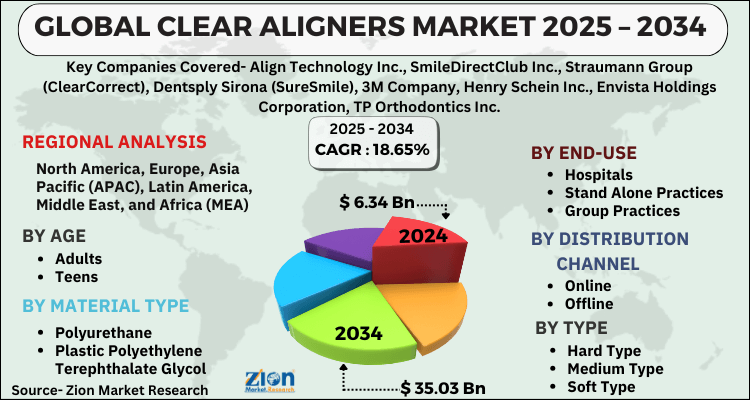
For decades, the image of orthodontic treatment was synonymous with gleaming, sometimes colorful, metal braces. Today, that image is being rapidly replaced by a clear, nearly invisible alternative. The global clear aligners market is not just growing; it’s exploding, transforming from a niche cosmetic option into a mainstream orthodontic powerhouse. Valued at over $5 billion in 2024, the market is projected to grow at a compound annual growth rate (CAGR) of over 20% for the next decade, potentially reaching a staggering $20+ billion by 2032.
This surge is more than a trend—it’s a fundamental shift driven by technology, consumer behavior, and innovative business models.
What Are Clear Aligners?
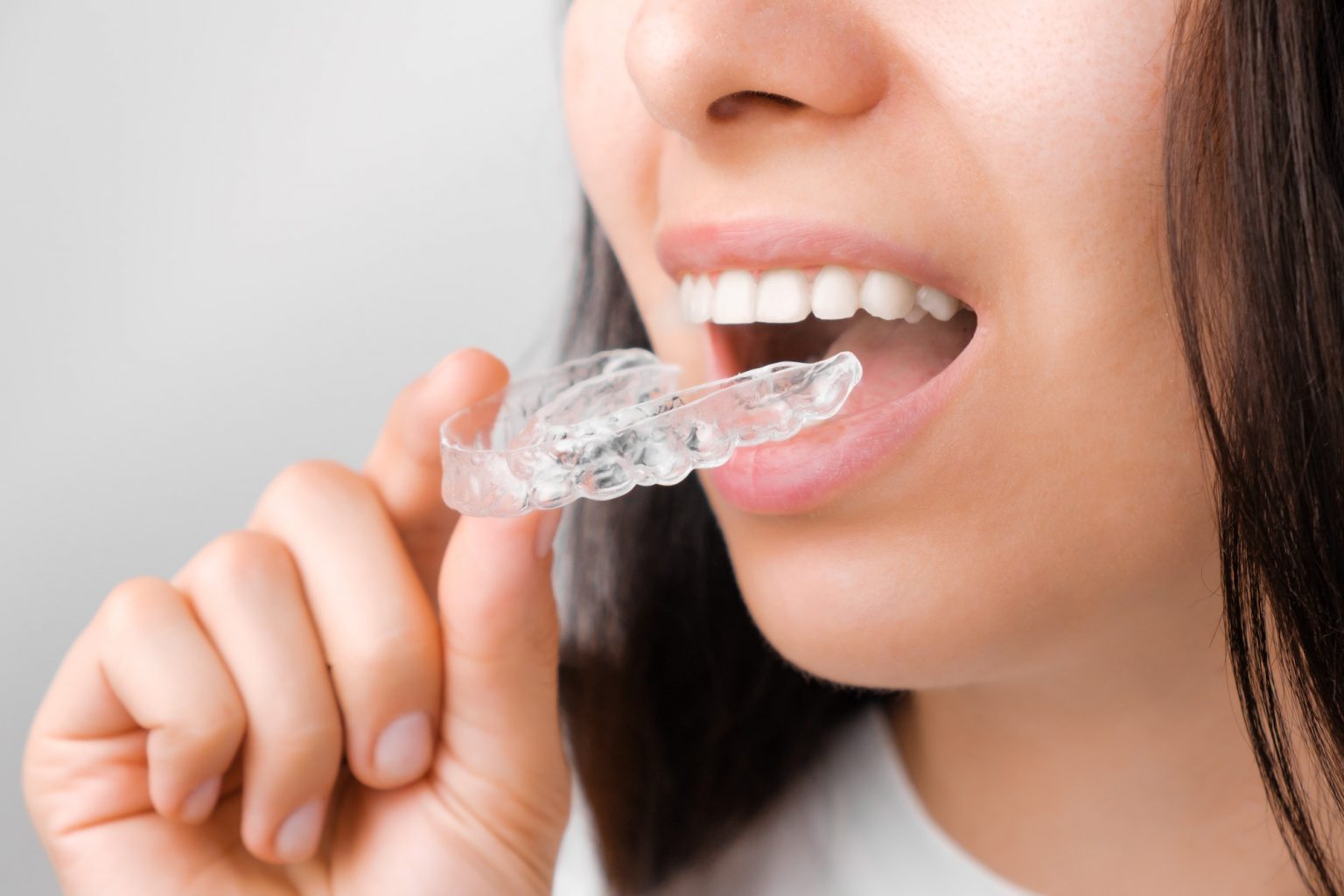
Clear aligners are custom-made, removable plastic trays that fit snugly over teeth. Using advanced 3D imaging and computer modeling, a series of aligners are created to gradually shift teeth into their desired position. Patients switch to a new set of aligners every one to two weeks, with treatment typically lasting 6 to 24 months.
Key Drivers of the Market Boom
1. The Aesthetic Imperative:
In an image-conscious world driven by social media and professional demands, the desire for a discreet treatment option is paramount. Clear aligners offer an almost invisible way to straighten teeth, eliminating the self-consciousness often associated with metal braces for teens and adults alike.
2. Technological Convergence:
The market’s backbone is a trio of converging technologies:
-
3D Intraoral Scanning: Replacing messy physical impressions with quick, precise digital scans.
-
AI-Powered Treatment Planning: Software algorithms now assist in predicting tooth movement, optimizing treatment plans, and improving outcomes.
-
Direct-to-Consumer (DTC) Platforms: Some companies leverage telehealth, allowing for remote monitoring and check-ins, making treatment more accessible.
3. Expanding Consumer Base:
While initially popular with adults, the market is rapidly expanding. Teen-specific aligner systems with compliance indicators (like blue dots that fade) have captured a significant share. Furthermore, treatment is now marketed for a wider range of cases beyond simple crowding, including minor bites and refinements.
4. The Convenience Factor:
The removability of aligners offers practical benefits: easier oral hygiene (no brackets to clean around), no dietary restrictions, and comfort for special occasions.
The Competitive Landscape: A Three-Tiered Market
The market is characterized by distinct segments:
-
The Established Leader: Align Technology (Invisalign) remains the dominant force, with a vast portfolio of patents, a deep network of trained orthodontists and dentists, and a strong brand reputation. They set the clinical standard and invest heavily in R&D.
-
The Challengers & Full-Service Providers: Companies like SmileDirectClub (despite recent challenges), Byte, and Candid (now part of SmileDirectClub) pioneered the DTC/tele-dentistry model, offering lower-cost, convenience-driven options. Others, like 3M and Henry Schein, leverage their existing dental supply networks.
-
Regional & Value-Focused Players: In markets like Asia-Pacific and Latin America, local companies (e.g., AngelAlign in China, ClearPath in India) are experiencing explosive growth by tailoring products and pricing to regional needs and preferences, often at a lower price point.
Challenges and Considerations
Despite the optimism, the market faces headwinds:
-
Regulatory Scrutiny: The DTC model, in particular, has faced questions from dental associations and regulators about the adequacy of remote diagnosis for complex cases and the importance of in-person supervision.
-
Case Limitations: Not all malocclusions (especially severe skeletal discrepancies) are suitable for aligner-only treatment. Hybrid approaches with braces or surgery are sometimes necessary.
-
Patient Compliance: Success is entirely dependent on a patient wearing the aligners for 20-22 hours per day. Lack of discipline can derail treatment.
-
Saturation & Marketing Wars: In mature markets, customer acquisition costs are rising as companies compete fiercely for online attention.
The Future Outlook: Where is the Market Headed?
-
Hyper-Personalization with AI & Biotech: The next frontier involves using AI not just for planning, but for predicting individual biological responses to force, potentially customizing aligner material and force application for faster, more predictable movement.
-
Integration with Comprehensive Dental Care: Aligners are becoming a gateway to broader dental wellness, often bundled with whitening, retainers, and even at-home monitoring for oral health.
-
Material Science Innovations: Development of “smarter,” more comfortable, and stain-resistant polymers that apply more consistent force over longer periods will enhance efficacy.
-
Global Expansion: The Asia-Pacific region, with its massive population, growing middle class, and high value placed on aesthetics, is poised to become the largest and fastest-growing market, driving the next wave of industry expansion.
Read More-
https://www.zionmarketresearch.com/de/report/dry-eye-syndrome-treatment-market
https://www.zionmarketresearch.com/de/report/smart-dictation-systems-market
https://www.zionmarketresearch.com/de/report/acute-respiratory-infection-market
https://www.zionmarketresearch.com/de/report/zero-carbon-shipping-market
https://www.zionmarketresearch.com/de/report/commercial-aircraft-seating-market
Conclusion
The clear aligners market represents a powerful intersection of healthcare, consumer technology, and aesthetic demand. It has democratized access to orthodontic care and forced the entire dental industry to innovate. While challenges around regulation and appropriate case selection remain, the trajectory is clear. As technology continues to blur the lines between medical device and consumer wellness product, the clear aligner revolution is set to keep smiling forward, one nearly invisible tray at a time.